Manufactured Homes Are Growing in Popularity — But Is the Insurance Different?
Drive through almost any growing community in East Tennessee and you may notice something: manufactured homes aren’t what they used to be.
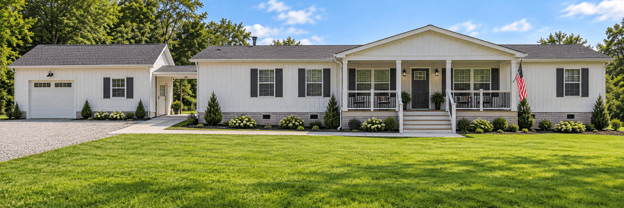
Today’s manufactured homes can feature open floor plans, large kitchens, porches, upgraded finishes, multiple bedrooms, and many of the same features buyers look for in a traditional site-built home. For families looking for more space, land, and affordability, manufactured housing has become an increasingly important part of the housing market.
The U.S. Census Bureau continues to track manufactured housing as a significant segment of new housing, including shipments, sales prices, and other characteristics. Manufactured homes also tend to cost less per square foot than traditional site-built homes, which can make them an attractive alternative as housing costs rise.
That can be especially appealing here in East Tennessee, where buyers may be looking for a little more room outside of town, purchasing family property, or trying to balance the cost of a home with the cost of land.
But there’s one part of buying a manufactured home that can sometimes catch homeowners by surprise:
Insuring one isn’t always the same as insuring a traditional house.
First, What Exactly Is a Manufactured Home?
The terms mobile home, manufactured home, and modular home are often used interchangeably, but from an insurance standpoint, they can mean very different things.
A manufactured home is constructed in a factory and transported to its location. It is generally built on a steel chassis and constructed according to federal HUD standards. A modular home is also factory-built, but it is typically constructed to state and local building codes and may qualify for insurance more like a traditional site-built home.
That distinction matters when you’re shopping for insurance.
Why Isn’t a Regular Homeowners Policy Always the Right Fit?
A traditional home-owners policy is designed around a site-built home. Manufactured homes have some different construction characteristics and potential risks, so insurance companies often use a policy specifically designed for them.
For example, because many manufactured homes are constructed on a chassis rather than a traditional foundation, insurers may evaluate their exposure to wind and other severe weather differently.
That’s particularly relevant in Tennessee, where severe thunderstorms, high winds, hail, and tornadoes are all weather risks homeowners need to consider.
A manufactured home policy can still provide many of the coverage you’d expect from homeowners’ insurance, including coverage for the home itself, personal belongings, personal liability, and additional living expenses following certain covered losses.
The important part is understanding how those coverages apply to your home.
A Few Details Can Make a Big Difference
When getting insurance for a manufactured home, don’t be surprised if you’re asked questions you weren’t expecting.
An insurance company may want to know the home’s year, manufacturer, model, size, foundation or tie-down system, roof type, location, additions, porches or decks, and whether you own or lease the land.
They may also need to know whether the home has been moved from its original location or whether additions have been permanently attached.
Why so many questions?
Because two manufactured homes that look very similar could qualify for very different coverage based on how they were constructed, installed, updated, and maintained.
Replacement Cost vs. Actual Cash Value Is Worth Understanding
This is one area where homeowners should pay particularly close attention.
Depending on the home, its age, and the insurance company, coverage may be available on different loss-settlement terms. A policy that settles certain losses at replacement cost can work very differently from one that settles them at actual cash value, where depreciation may be taken into consideration.
The least expensive quote isn’t necessarily offering the same protection as another quote.
When comparing policies, look beyond the premium and ask: If something happens to my home, how will the insurance company determine what it pays?
What About Porches, Decks, Garages, and Sheds?
This can be particularly important in East Tennessee.
It’s common for manufactured homeowners to add a large, covered porch, detached garage, carport, storage building, deck, or other improvements after the home has been placed on the property.
Don’t automatically assume every addition is covered simply because it’s sitting beside—or even attached to—the home.
Manufactured home policies can provide coverage for additional structures and attached additions, but limits and eligibility vary by policy and insurance company.
Whenever you make a significant improvement to the property, it’s a good idea to contact your insurance agent and make sure your policy still reflects what you actually have.
And No, Home Insurance Usually Doesn’t Cover Flooding
This is important for traditional and manufactured homeowners.
Standard homeowners and manufactured home policies generally don’t include flood coverage. Flood insurance is typically purchased separately.
With East Tennessee’s combination of rivers, lakes, creeks, valleys, and low-lying areas, it’s worth understanding your property’s flood exposure—even if your lender doesn’t require flood insurance.
Manufactured Homes Have Changed. Insurance Has, Too.
The manufactured homes being built today can be a far cry from the stereotypical “mobile home” many people still picture.
For many East Tennessee families, they offer another path to homeownership, more flexibility in where they live, and an opportunity to put more of their housing budget toward land, space, or other priorities.
The insurance simply needs to match the home.
Before choosing a policy based only on price, take a few minutes to understand what type of policy you’re purchasing, how the home will be valued after a loss, what structures and additions are included, and what isn’t covered.
And because insurance companies don’t all approach manufactured homes the same way, this is one situation where working with an independent insurance agent can be especially helpful. An independent agent can compare options from multiple insurance companies and help you understand the differences—not just in price, but in the coverage you’re actually getting.
Because whether your home was built on your property or delivered to it, it’s still home—and it’s worth making sure it’s protected properly.